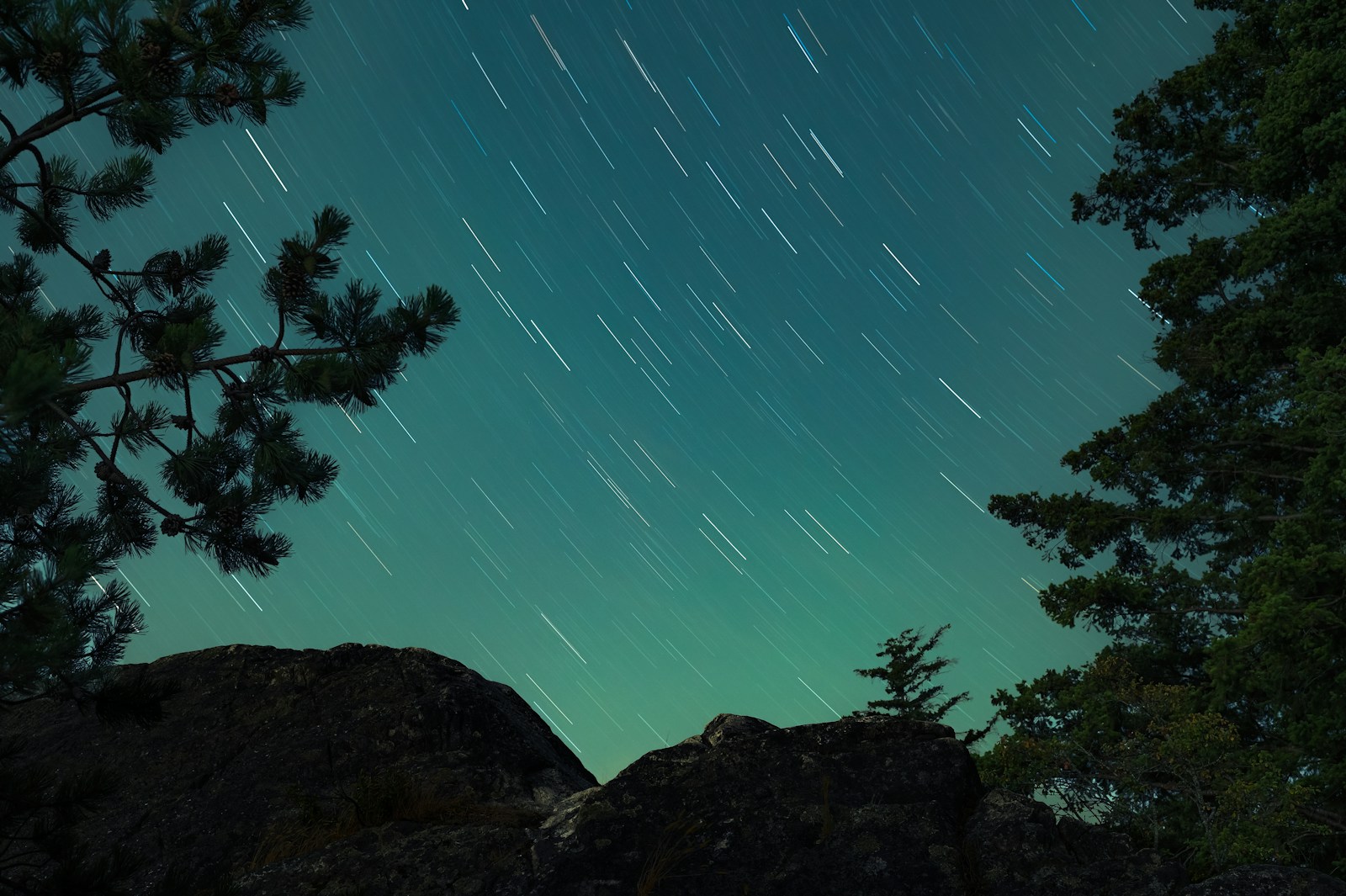
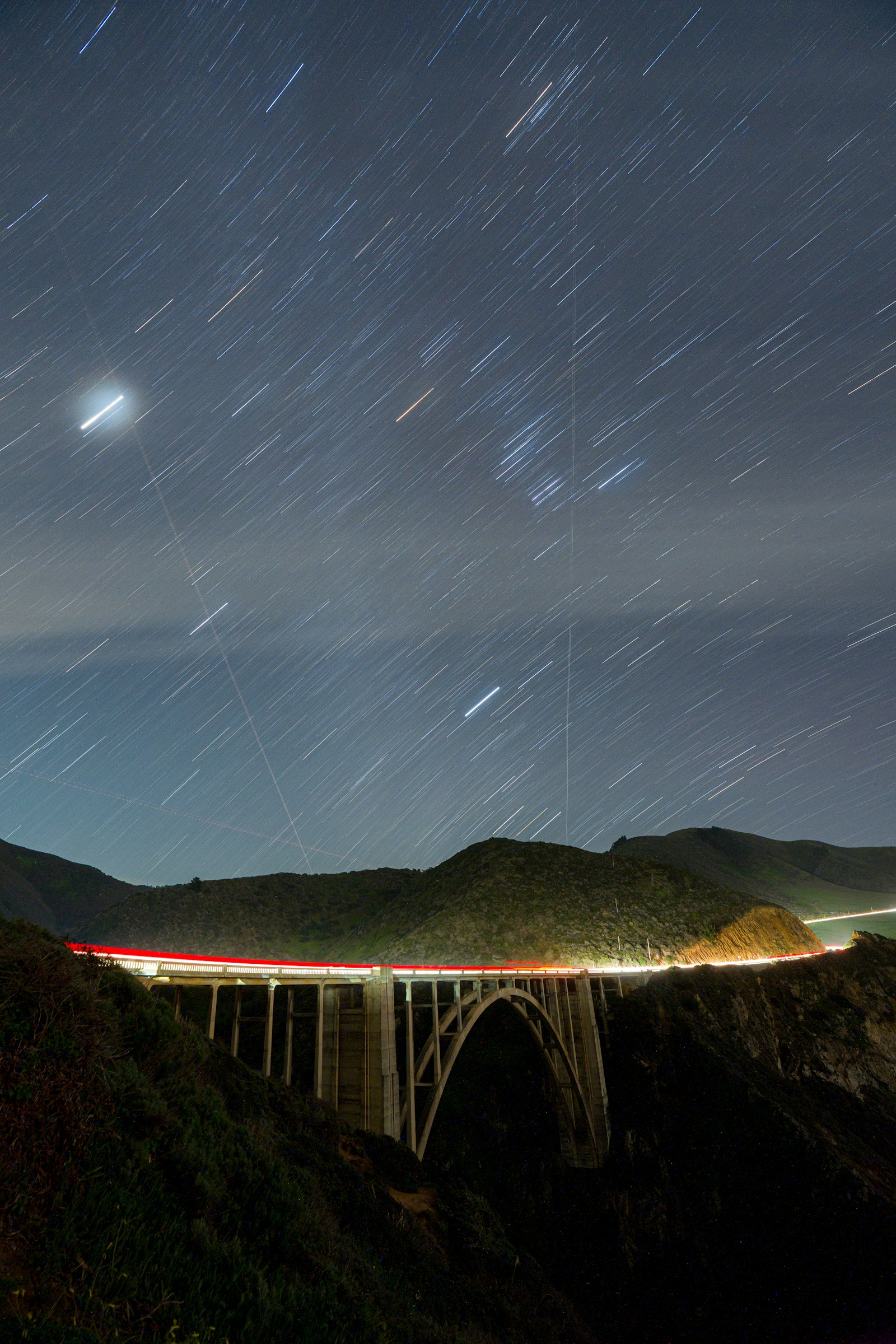
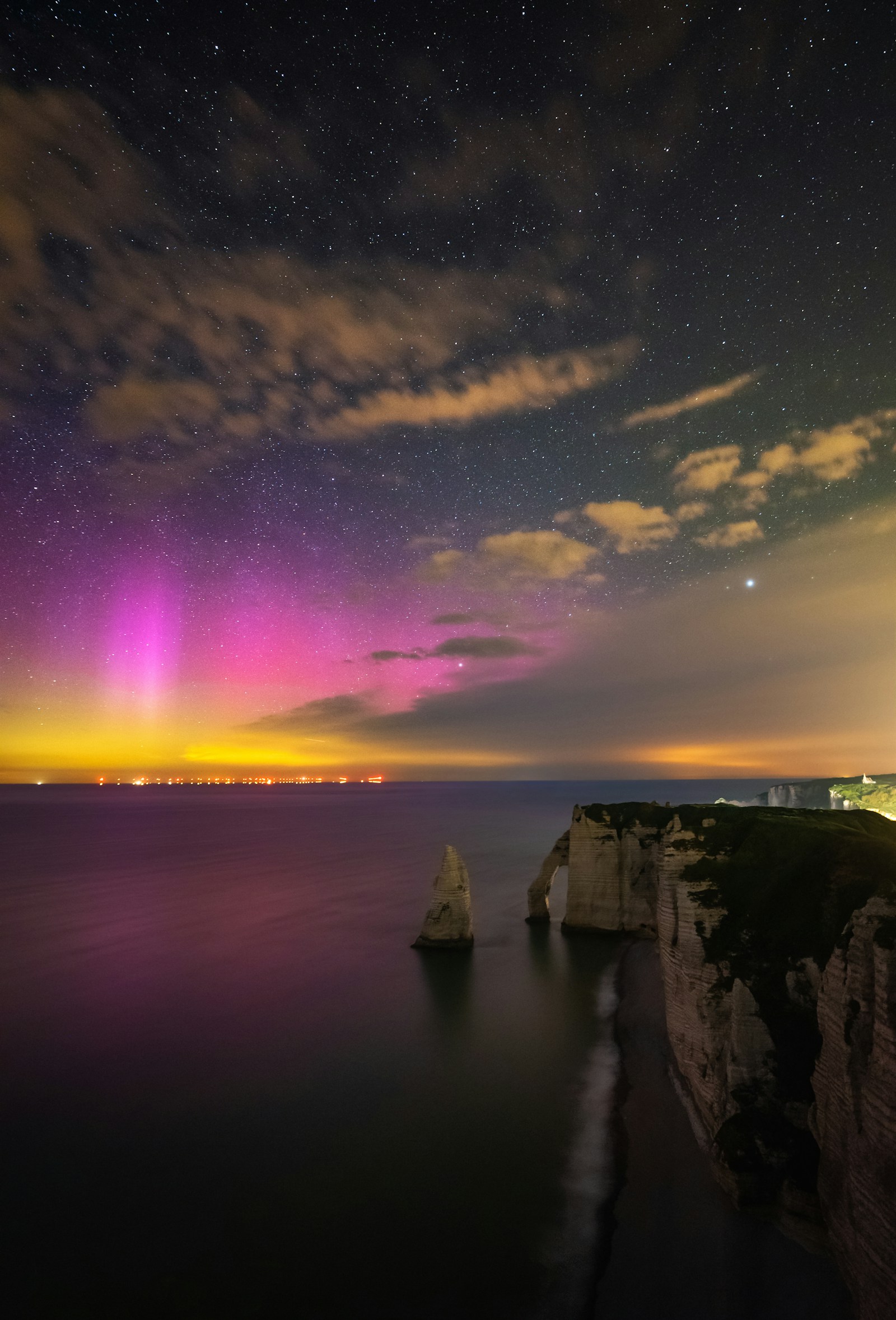
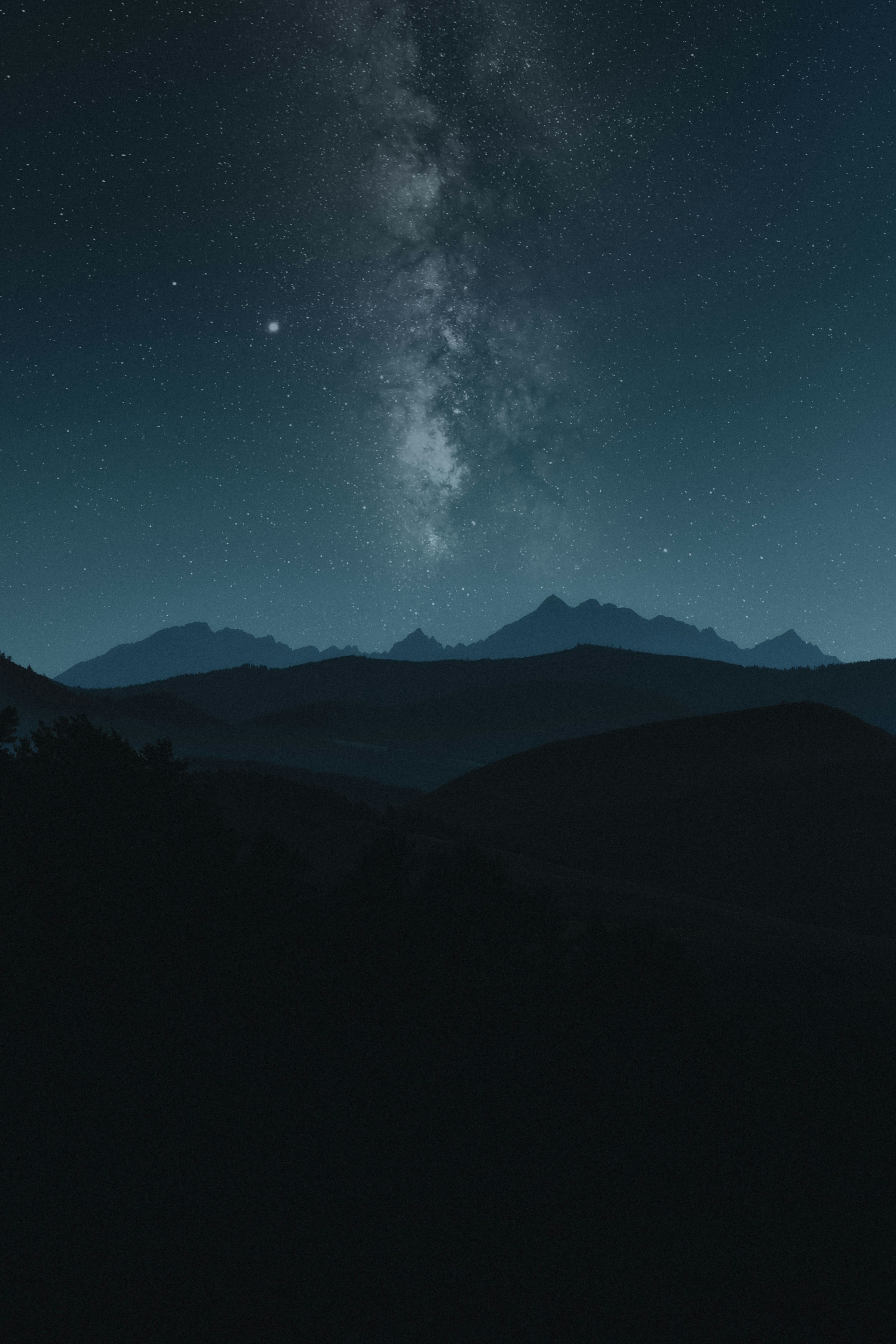
Starry mountains
Stargazing Journal

Chasing starlight
from my backyard

An amateur astronomer’s notebook with observation notes, constellation guides, skywatching articles, and a calmer archive of favorite nights under dark skies.

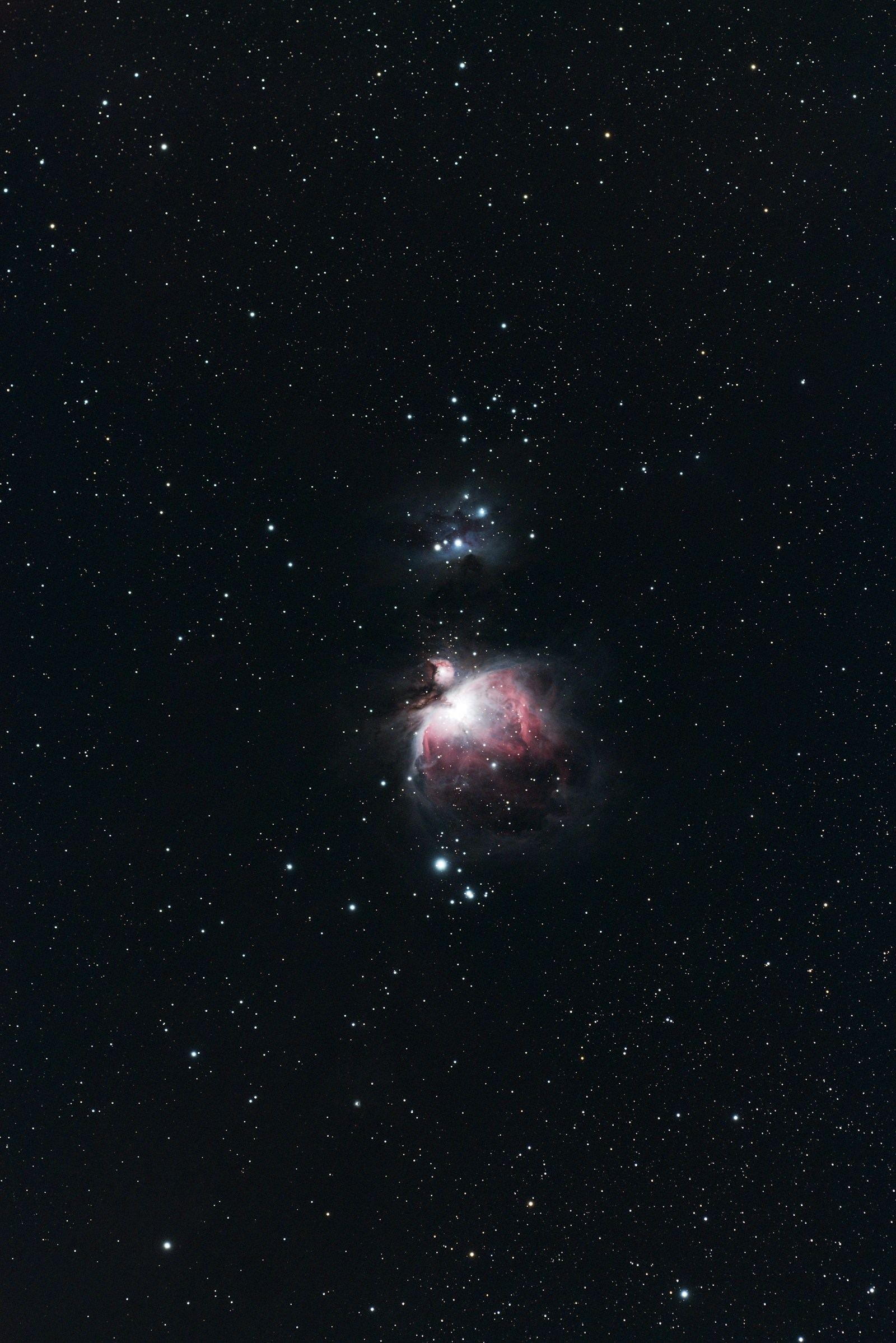
Orion nebula region
Orion Nebula region
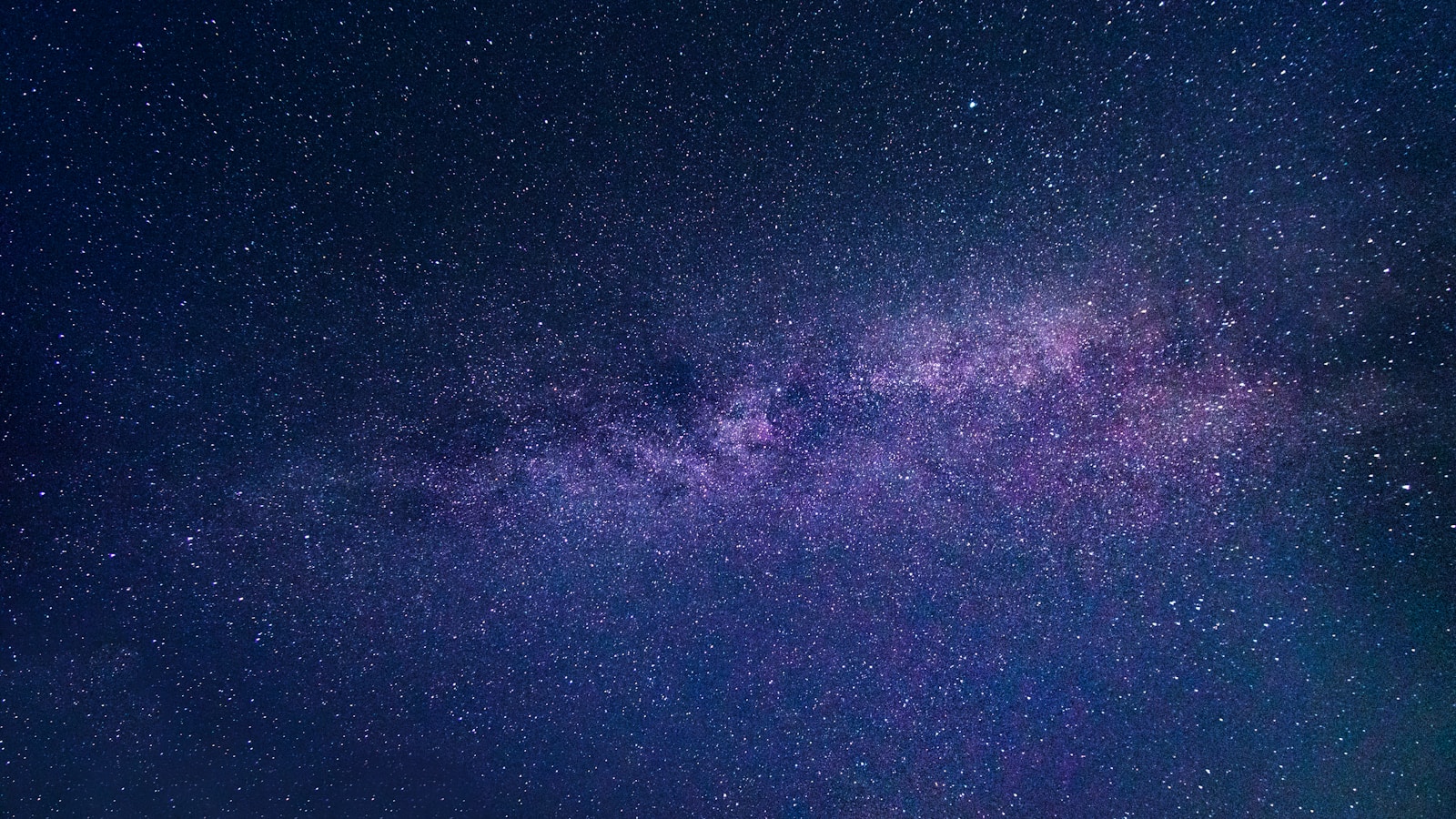
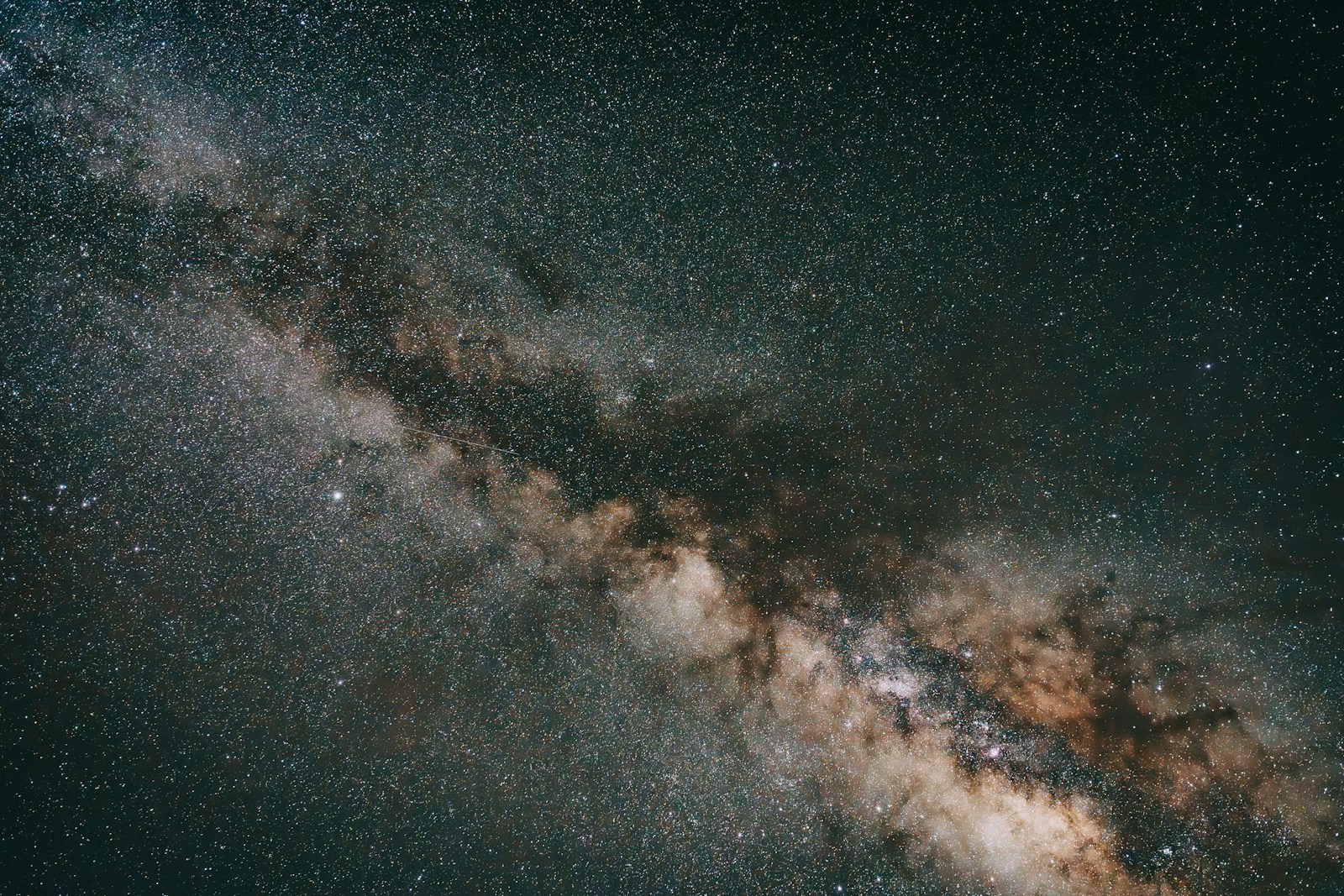
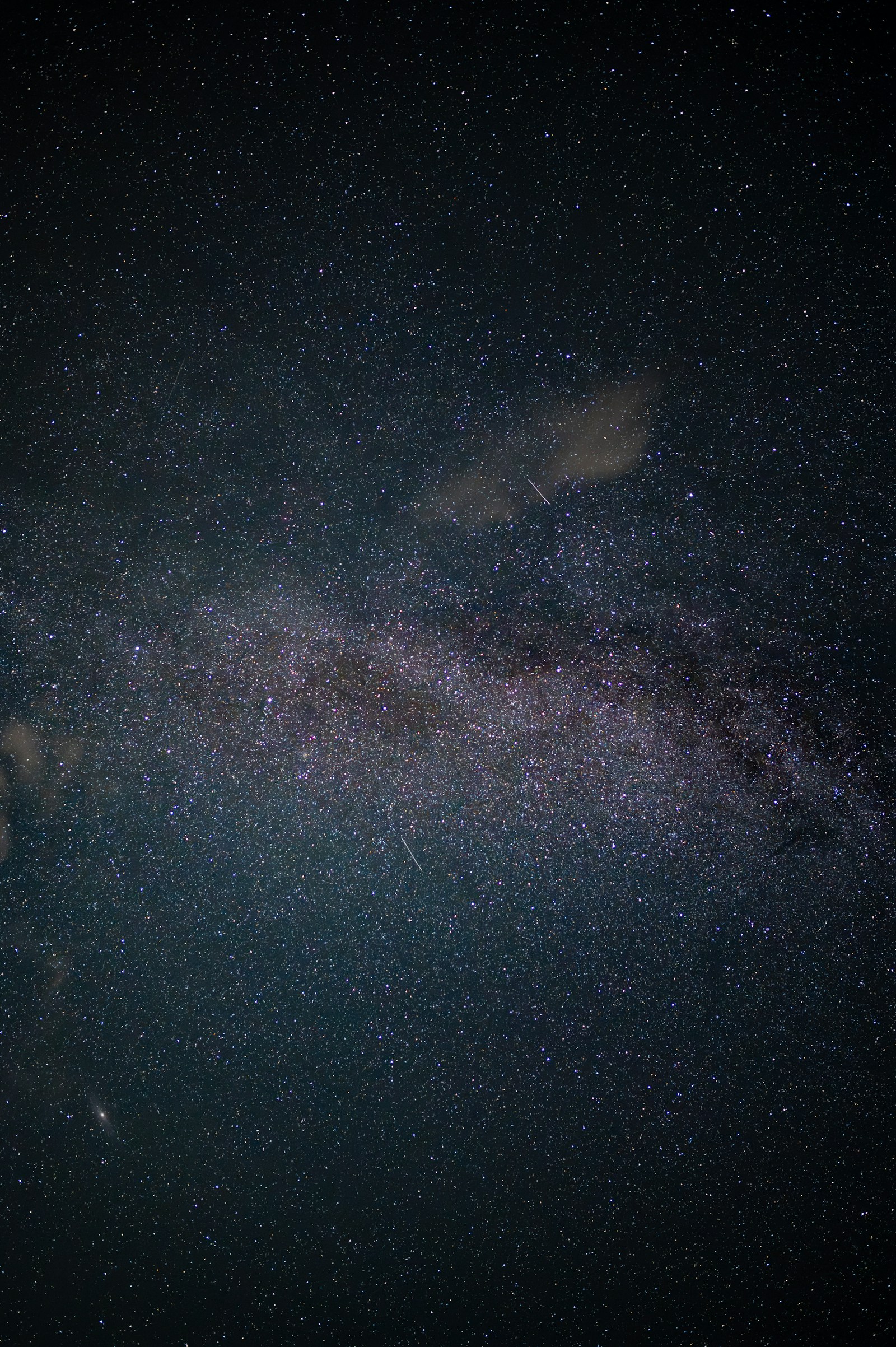
Milky Way core
Milky Way core
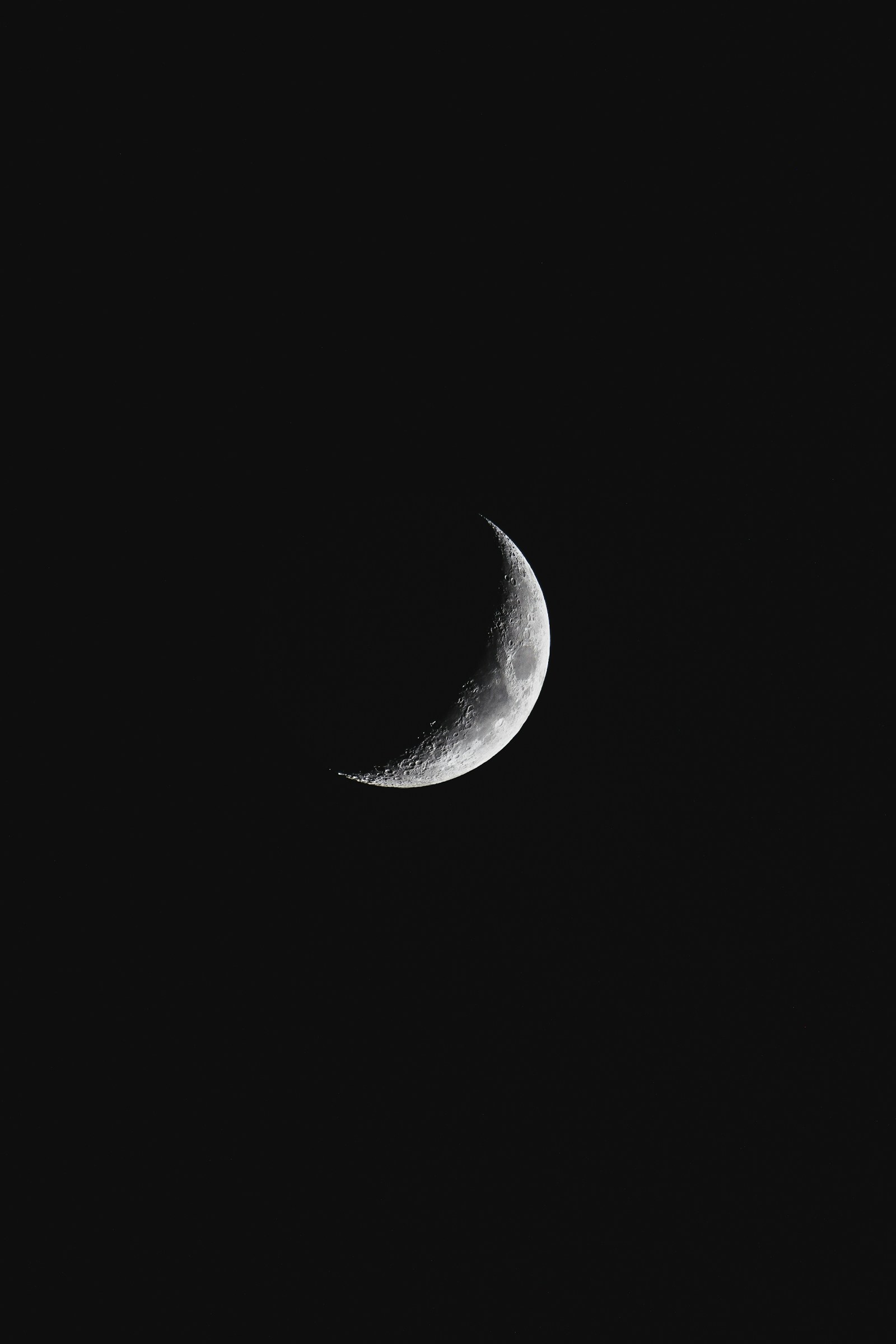
Moon above the horizon
Waxing gibbous
Winter constellations
Summer triangle
Summer triangle
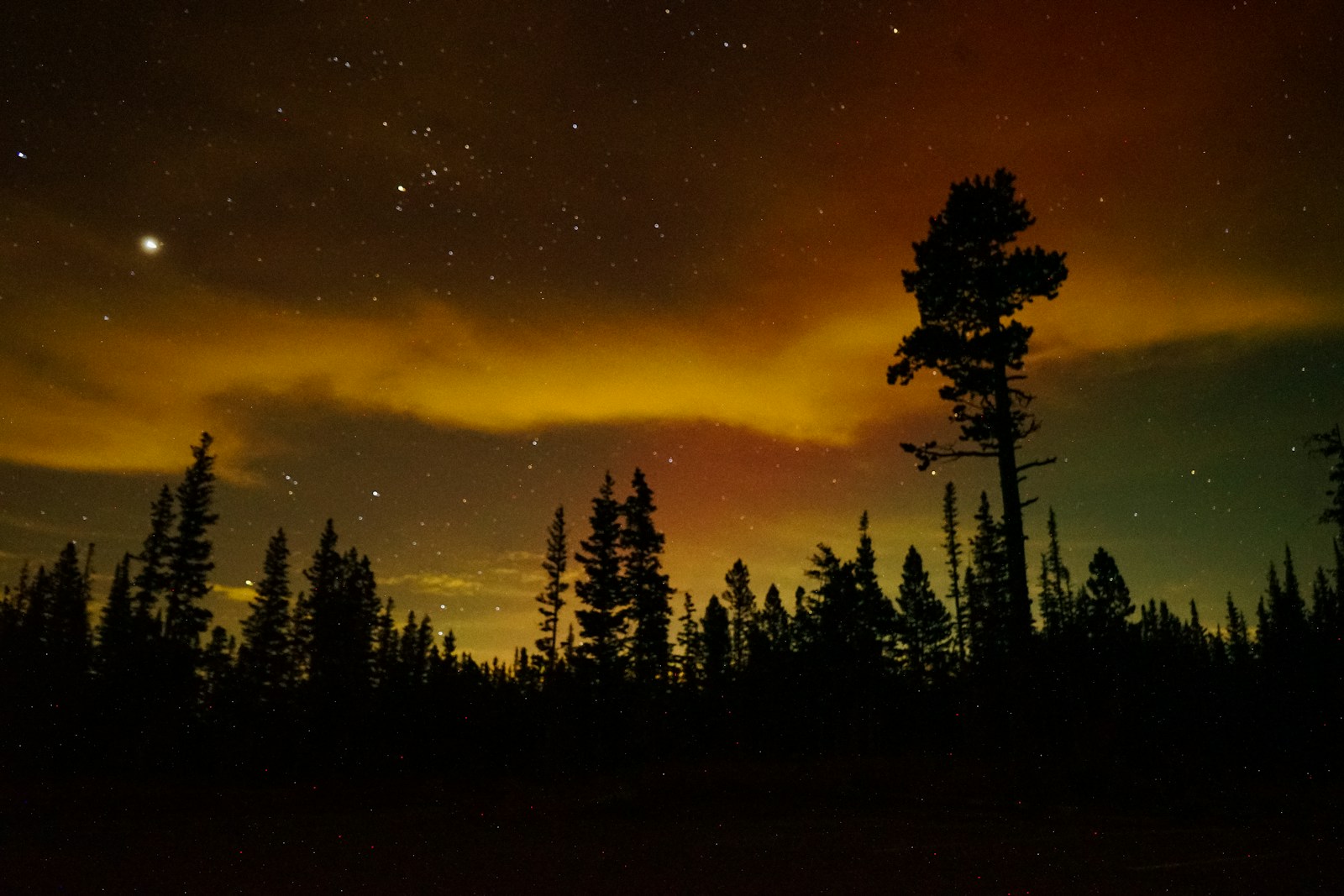
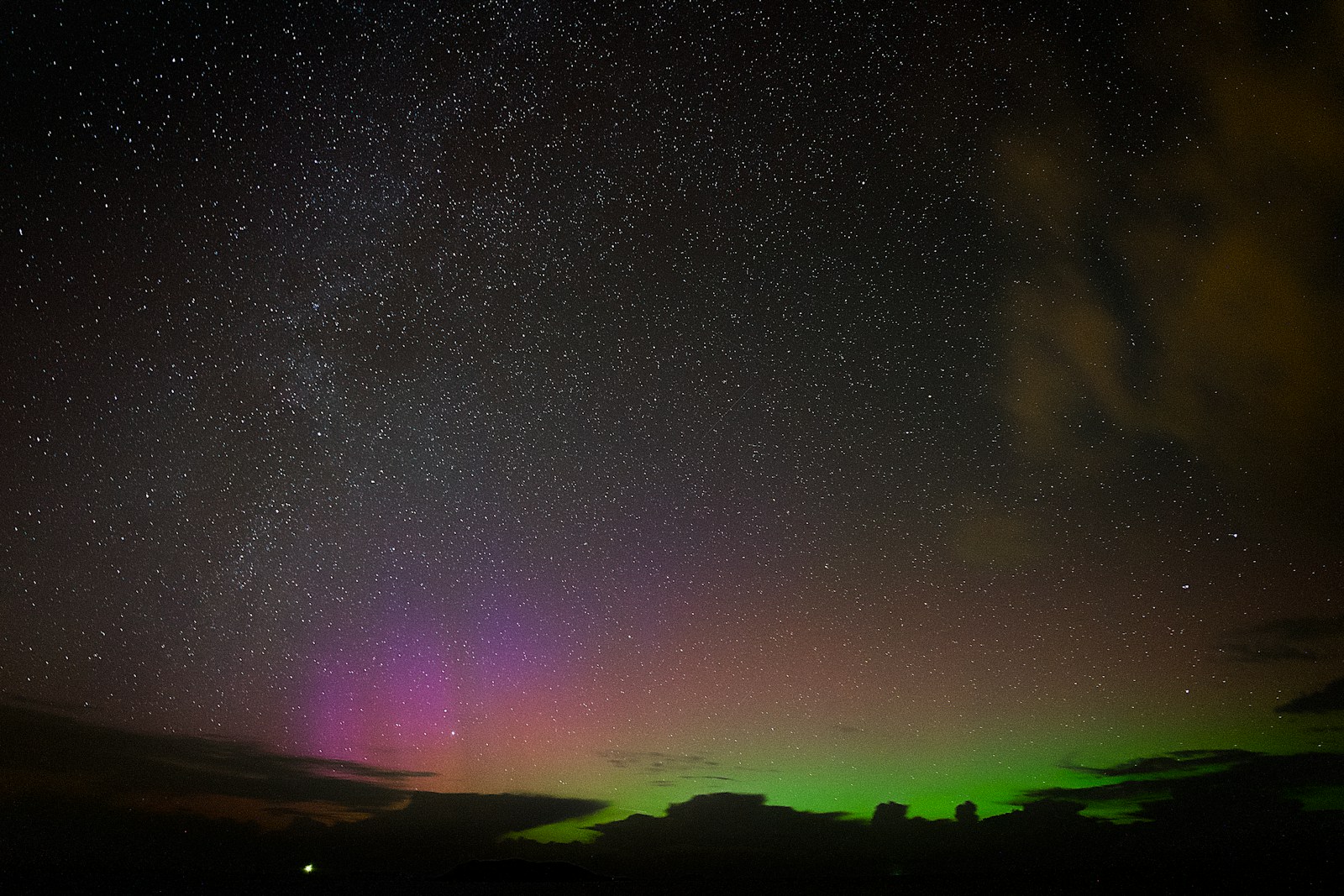
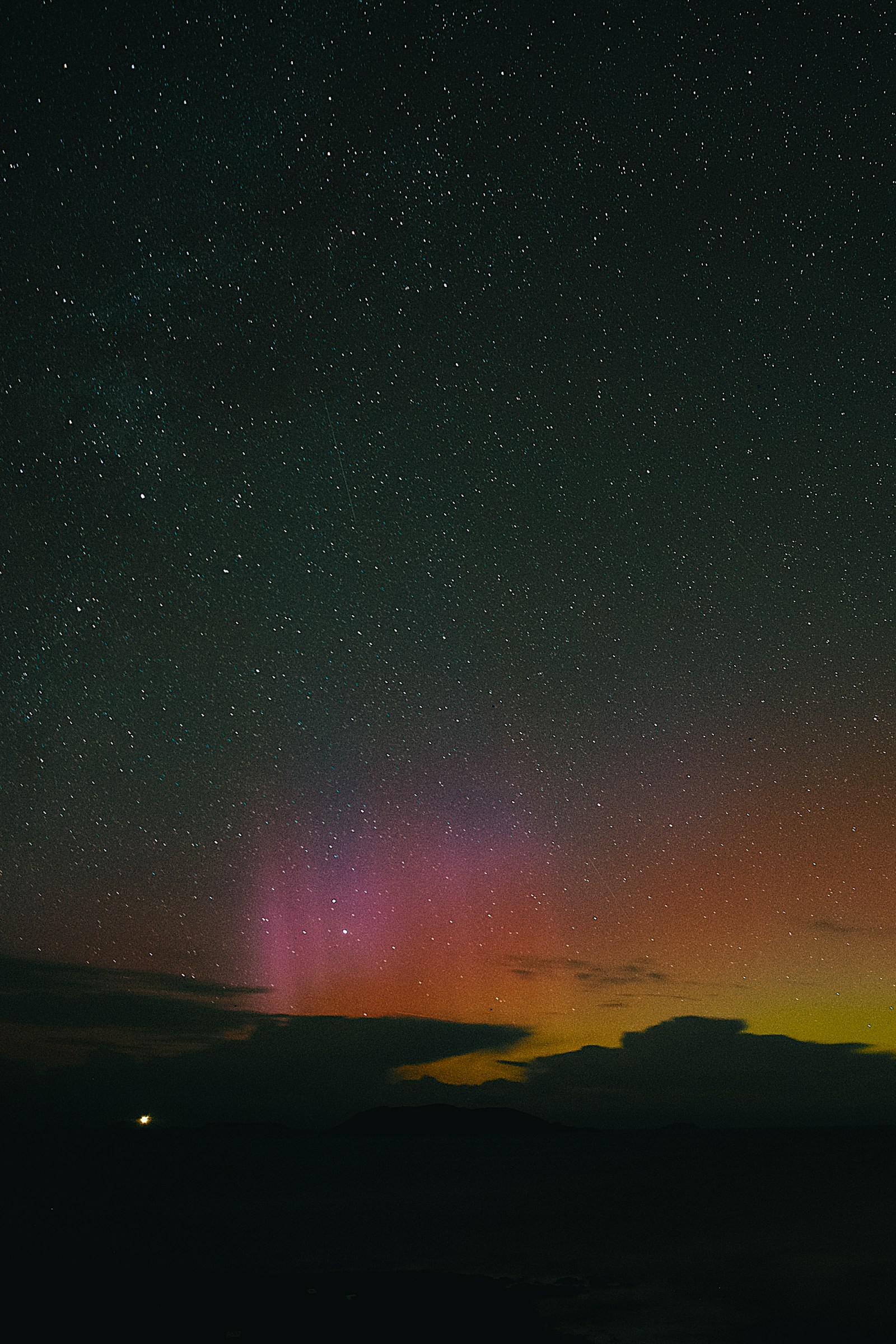
Aurora over a field
Unexpected aurora

Tonight’s Sky

What’s up there right now

Loading
Calculating illumination

Quick Look

What’s visible this evening from mid-northern latitudes, after astronomical twilight.

  • Saturn in Aquarius before dawn, high enough for an easy pre-sunrise look through a modest telescope.
  • The Spring Triangle is already well placed, with Arcturus, Spica, and Regulus forming a clear sweep overhead.
  • The Milky Way core rises after midnight, still low but noticeably textured from a darker site.
  • M81 and M82 remain a rewarding binocular pair in the late evening sky.
  • No major shower tonight, but the dark window still makes sporadic meteors worth watching for.
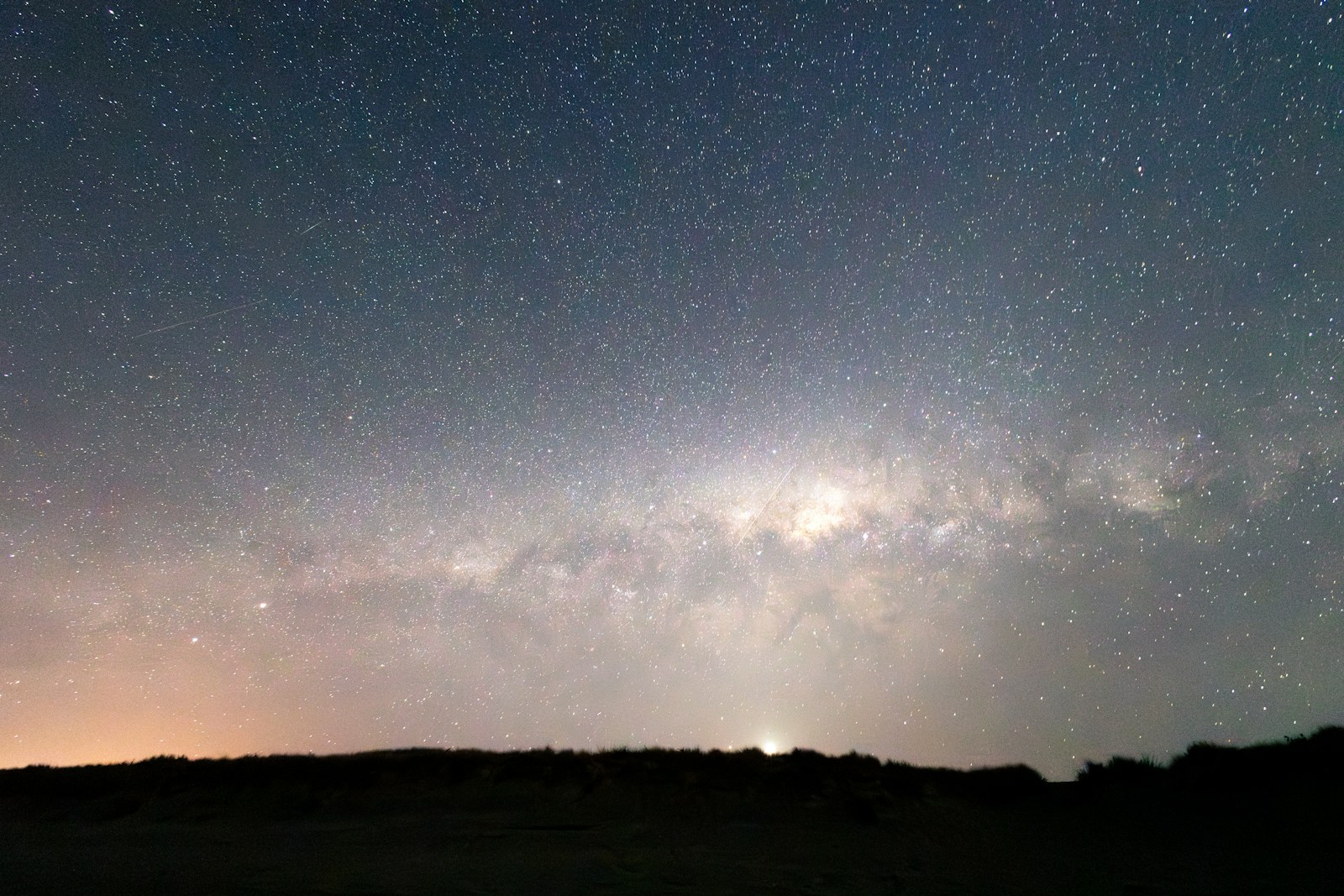
Milky Way panorama

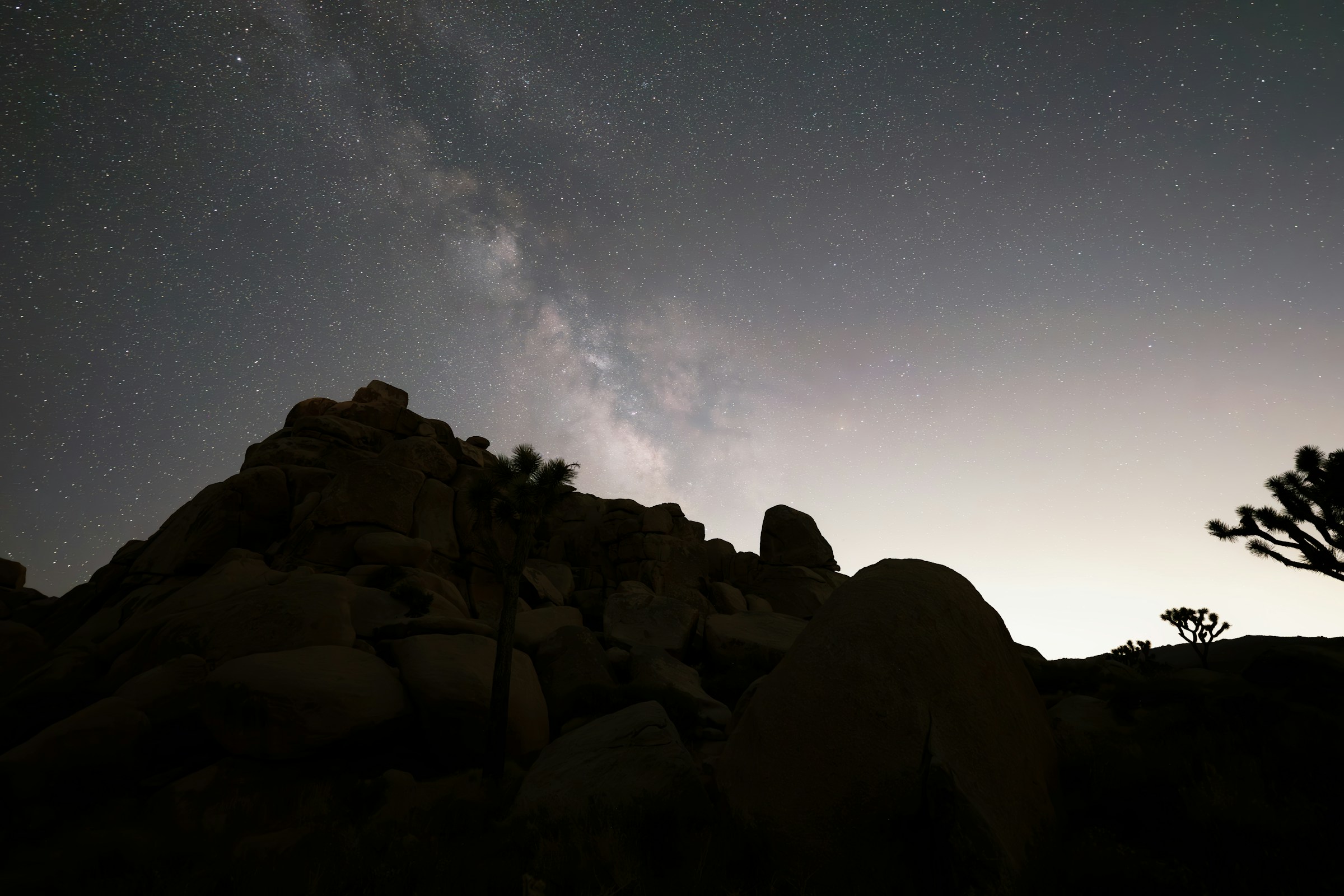
The Milky Way casts shadows here

My dark site is about 40 km from the city. On moonless summer nights, the gravel road brightens enough that the whole place feels gently backlit by the sky.

Upcoming Events

Celestial highlights for the months ahead

24
Apr
Lyrid Meteor Shower Peak
Up to 18 meteors per hour, with the radiant near Vega and a much friendlier moon than usual.
Meteors
12
May
Full Flower Moon
Excellent for crater contrast at the terminator and for simple binocular sketches.
Moon
03
Jun
Saturn at Quadrature
A good morning planet with stable ring detail in smaller refractors.
Planets
12
Aug
Perseid Meteor Shower
The year’s best-known shower, ideal from dark horizons after midnight.
Meteors
07
Sep
Partial Lunar Eclipse
Subtle, but atmospheric, especially with low haze or a rising orange moon.
Eclipse
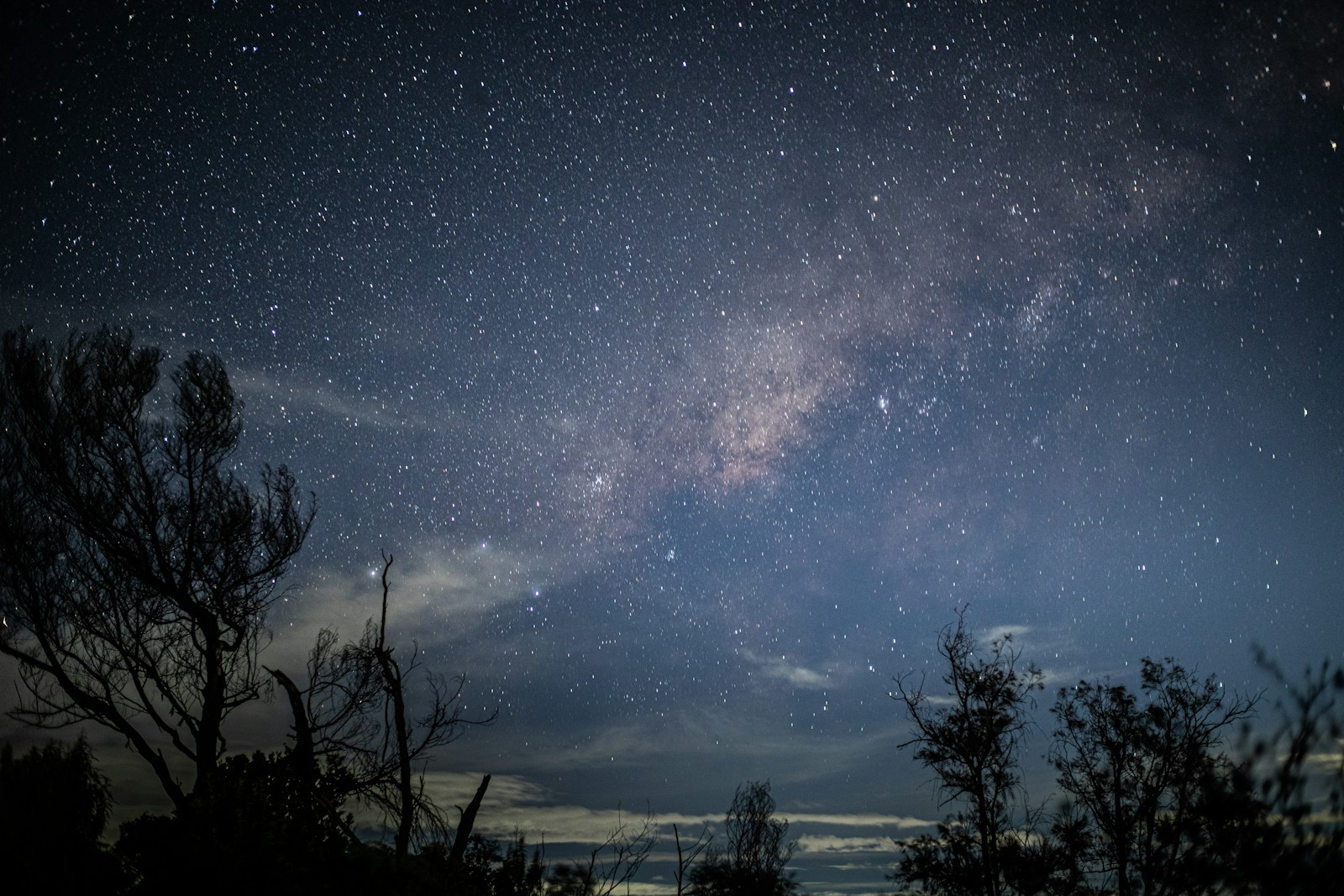
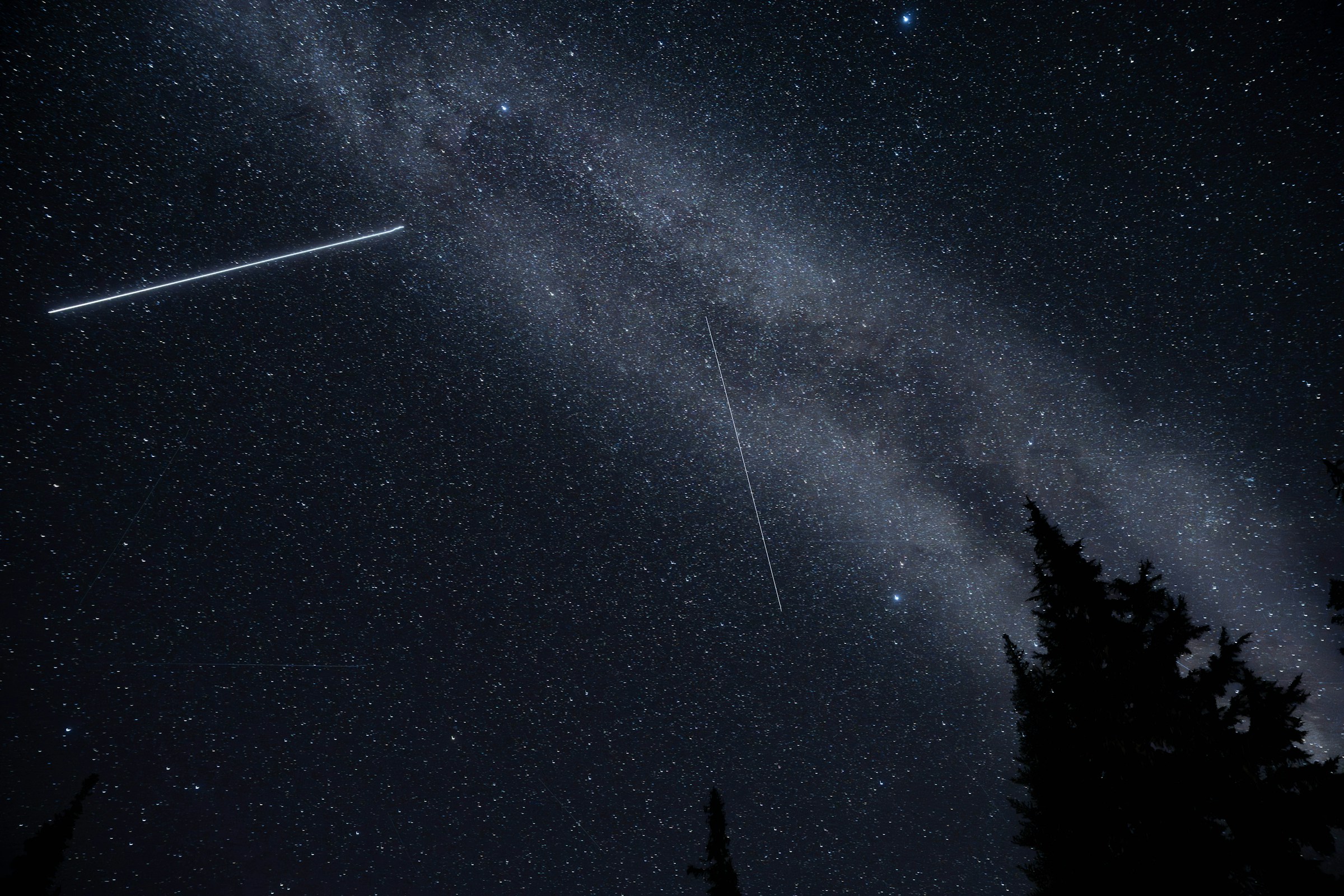
Night sky above trees
“The nitrogen in our DNA, the calcium in our teeth, the iron in our blood, the carbon in our apple pies were made in the interiors of collapsing stars.”
Carl Sagan

Constellation Guide

What to look for in each season

Orion constellation over a dark landscape
Winter
Orion
Orion
The easiest winter landmark: belt stars first, then M42 below, glowing even in small binoculars.
Betelgeuse · Rigel · Bellatrix
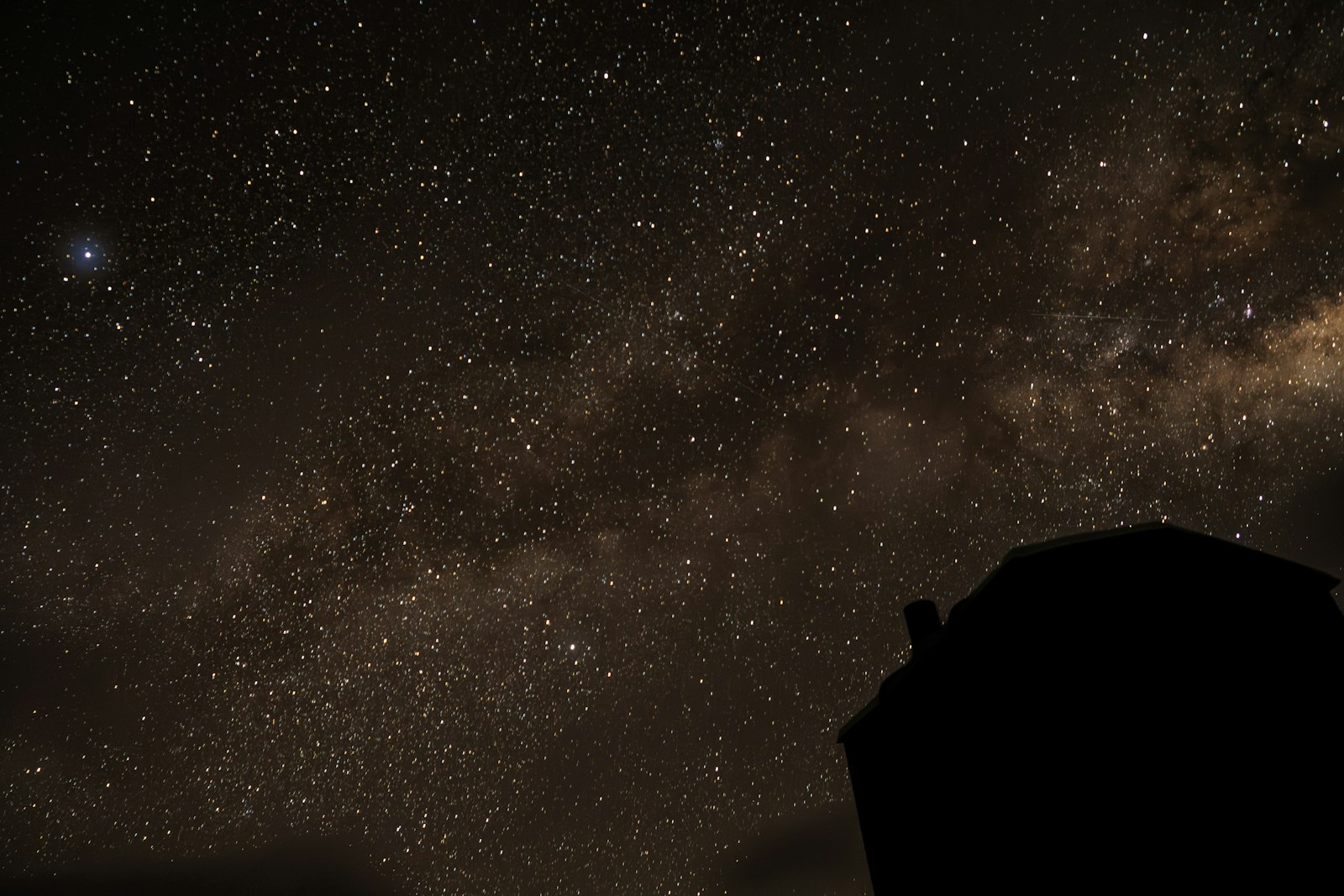
Summer sky
Summer
Cygnus
Cygnus
The Northern Cross sits straight inside the Milky Way and points you toward rich star-cloud territory.
Deneb · Sadr · Albireo
Autumn sky
Autumn
Andromeda
Andromeda
M31 appears as a faint elongated glow under dark skies and quickly becomes a seasonal favorite.
Alpheratz · Mirach · Almach
Aurora over landscape

When the aurora comes uninvited

One September night I drove out for galaxies and ended up watching green curtains pulse across the horizon instead. That is the real joy of keeping a sky journal: the sky never agrees to your plan.

Observation Journal

Notes from recent sessions

Milky Way over lake

First Clear Night in Six Weeks

Transparency was unusually good, enough to trace the Milky Way from Cassiopeia down toward Sagittarius through a low spring haze.

Read more
Telescope under stars

One Year with the 8″ Dobsonian

After dozens of sessions, it still feels like the telescope that taught me the sky rather than just showing it to me.

Read more
Moon detail

Lunar Observing for Beginners

The Moon stays the easiest high-reward target in the hobby: bright, detailed, and constantly changing from night to night.

Read more

Bookshelf

Books that shaped how I look at the sky, plus a few short shelf notes

Books and observing notes
Beginner classic
Turn Left at Orion
Consolmagno & Davis
Still the best beginner observing guide because it tells you what the eyepiece really looks like, not what a long-exposure photo looks like.
Astronomy books on a shelf
Field favorite
NightWatch
Terence Dickinson
A book that earns coffee stains and cold-night creases because it is genuinely useful outdoors.
Open astronomy reference book
Practical guide
Backyard Astronomer’s Guide
Dickinson & Dyer
This is the book I reach for when I want fewer opinions and more useful observing technique.
Shelf note

What makes a sky book useful

The best astronomy books lower your expectations in the right way. They tell you how faint galaxies really look, which objects survive bad transparency, and which tools matter less than patience.

Read note
Field note

Why I still annotate margins

I mark pages with dates, moon phase, seeing, and whether an object actually worked in my telescope. Over time, the book becomes a record of the sky I really saw, not just the one I wanted.

Read note
Reading list

Three chapters worth revisiting

I keep returning to star-hopping basics, binocular observing, and lunar detail. Those chapters reward repetition because they improve almost every casual observing session.

Read note

About

The person behind the telescope

Telescope and observing setup

Hi, I’m Daniel

I am a software engineer in Northern Europe who accidentally got pulled into astronomy after one clear view of Jupiter and its four bright moons.

This site is part observing logbook, part quiet reminder that dark skies reward repeat visits more than perfect planning.

The best sessions are still the simplest ones: a thermos, a notebook, and enough patience to wait for the sky to settle.

Telescope
Sky-Watcher 200P Dob
Binoculars
Nikon Aculon 10×50
Camera
Canon 600D astro-mod
Tracker
Star Adventurer GTi

Clear Sky Alerts

Meteor showers, gear notes, and the rare message that says the clouds are finally stepping aside tonight.